


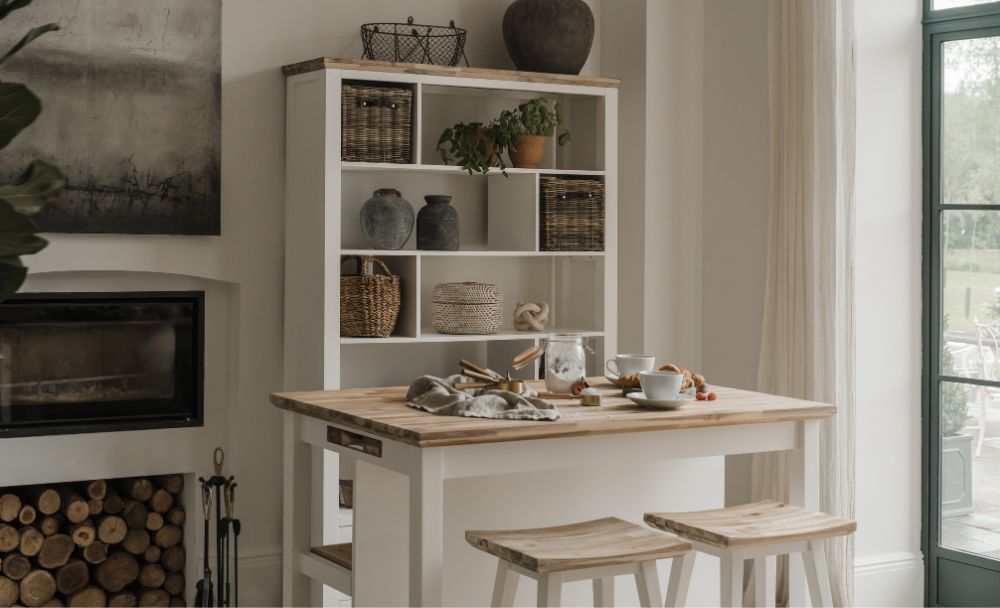
Creating a freestanding, or unfitted, kitchen is one of the most rewarding ways to transform your home. With more people opting for flexible, character-rich, and DIY-friendly design solutions, freestanding kitchens are enjoying a major revival in modern interior design.
But what exactly is a freestanding kitchen? And how do you create one that balances function, style, and practicality?
In this blog, we’ll walk you through how to create a freestanding kitchen, from planning and layout ideas to choosing the right furniture and finishing touches.
What Is a Freestanding Kitchen?
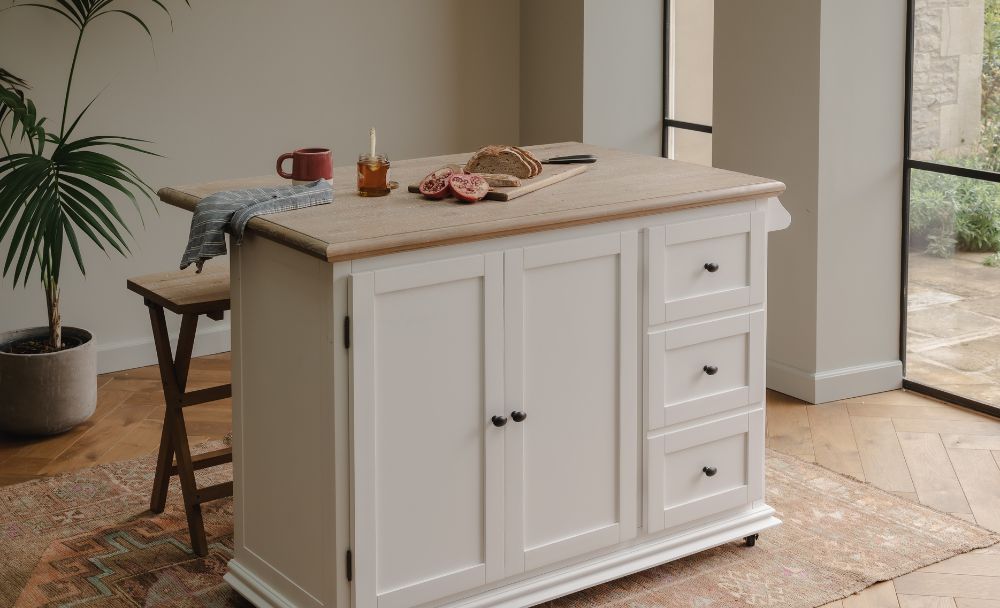
A freestanding kitchen is a kitchen design that doesn’t rely on built-in units. Instead of fixed cabinets, worktops, and islands, a freestanding kitchen uses movable or standalone furniture, like dressers, cabinets, tables, and open shelving to create a unique, modular cooking space.
This kitchen style is loved for its vintage charm, flexibility, and affordability. Whether you’re renting, renovating on a budget, or just want to add character to your home, a freestanding kitchen offers the perfect solution.
Benefits of a Freestanding Kitchen
Before diving into how to create a freestanding kitchen, let’s look at why this style might be right for you:
• Flexible layout: Rearrange units and furniture as your needs change.
• More personality: Mix and match vintage and modern pieces for a custom look.
• Cost-effective: Potential to repurpose old furniture instead of buying expensive built-ins.
• Easy to install: Ideal for DIY renovators or renters.
• Increased storage: Use every inch of vertical and horizontal space
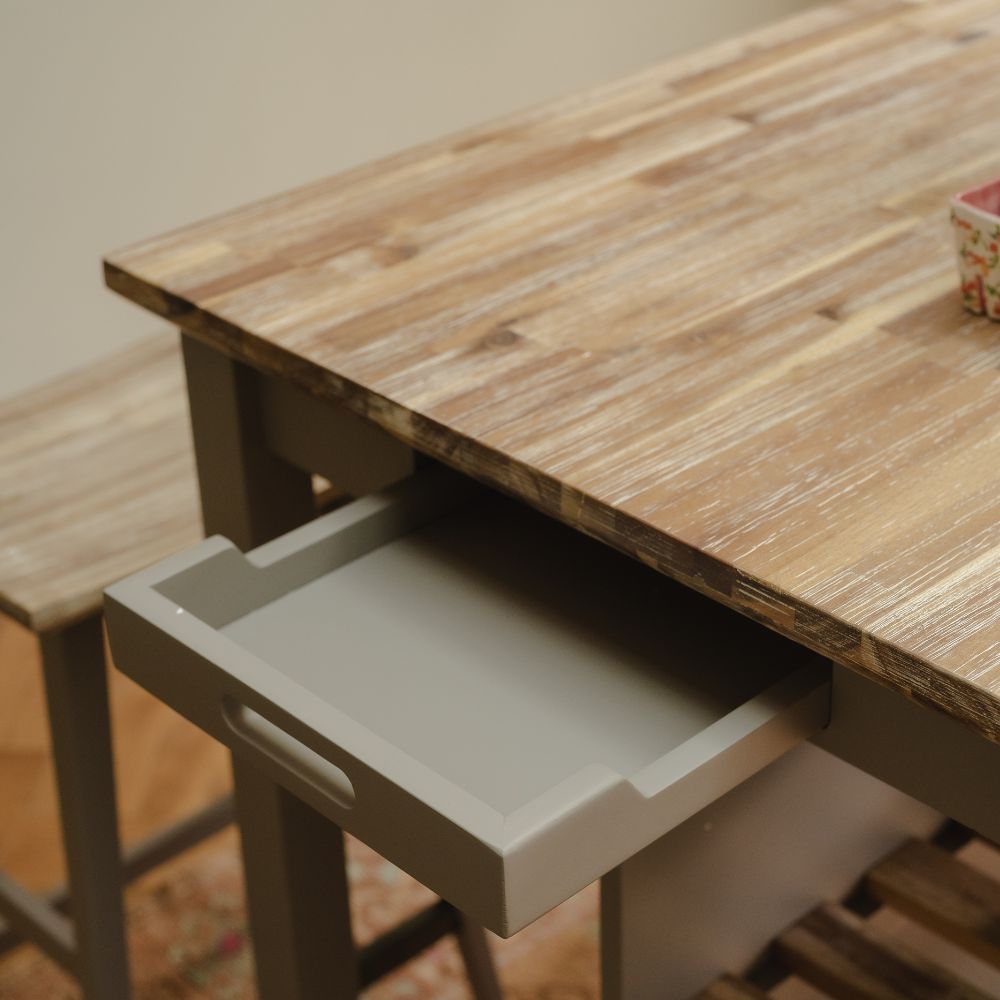
Step-by-Step: How to Create a Freestanding Kitchen
- Assess Your Space
Start by measuring your kitchen area. Take note of existing plumbing, power outlets, and windows. While freestanding kitchens are versatile, you’ll still need to plan around water sources and cooktop ventilation.
Tips:
- Use graph paper or kitchen layout software.
- Keep the “kitchen work triangle” in mind. Position the sink, stove, and fridge in a triangle to maximise efficiency.
- Think vertically. Wall-mounted shelves and pot racks are your best friends in a freestanding kitchen.
- Decide on a Layout
Popular freestanding kitchen layouts include:
- Galley: Two parallel runs of furniture, which are great for narrow spaces.
- L-shaped: Perfect for corners and small kitchens.
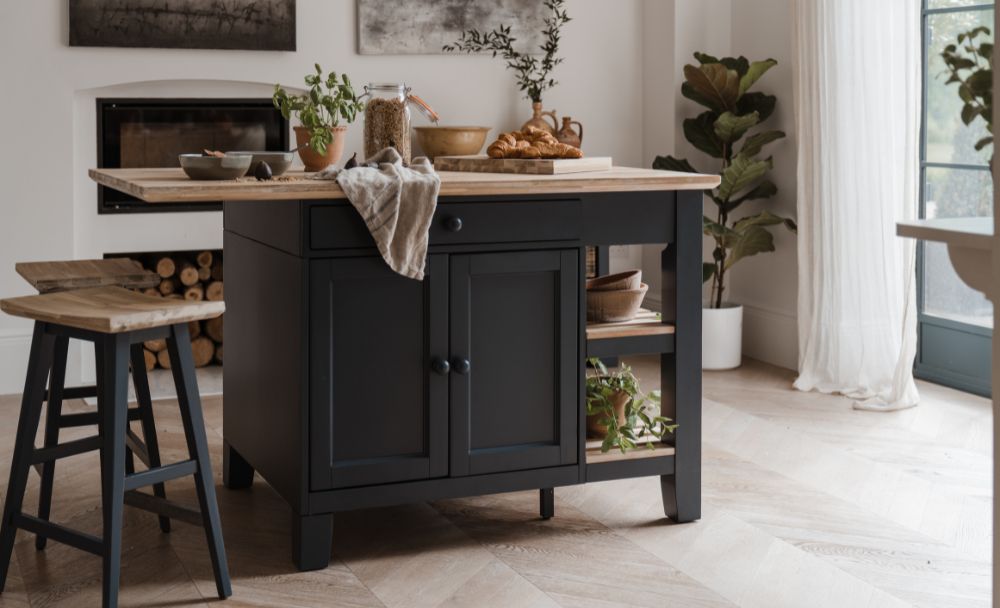
- Island-style: Use a table or freestanding unit as a central preparation space.
- U-shaped: Use three walls or three rows of freestanding furniture.
- Choose Your Key Freestanding Pieces
Unlike a built-in kitchen, freestanding kitchens rely on individual pieces of furniture. Here are some essentials:
Freestanding Kitchen Cabinets
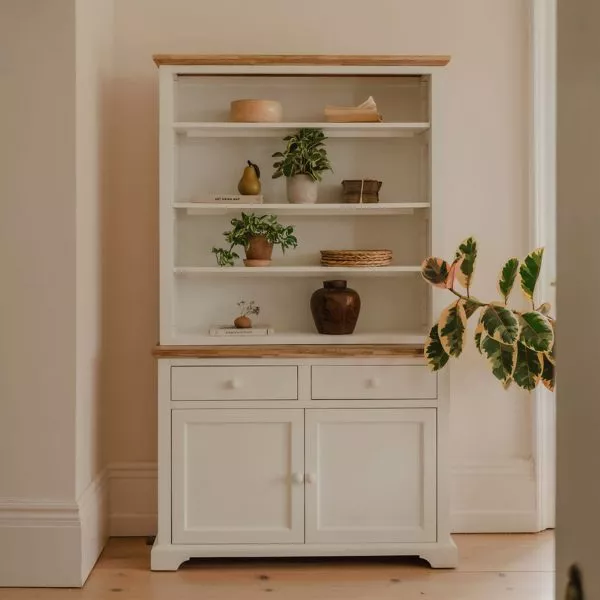
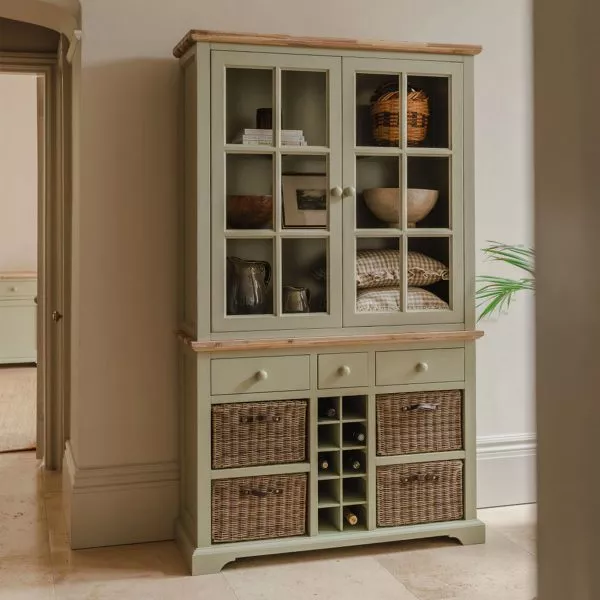
These are your core storage units. Choose dressers, open shelving units, or reclaimed wood cabinets. Make sure they’re sturdy and food-safe.
Check out our website to browse our range of dressers and sideboards from Florence, Queensbury and Shire collections.
Freestanding Kitchen Island or Table
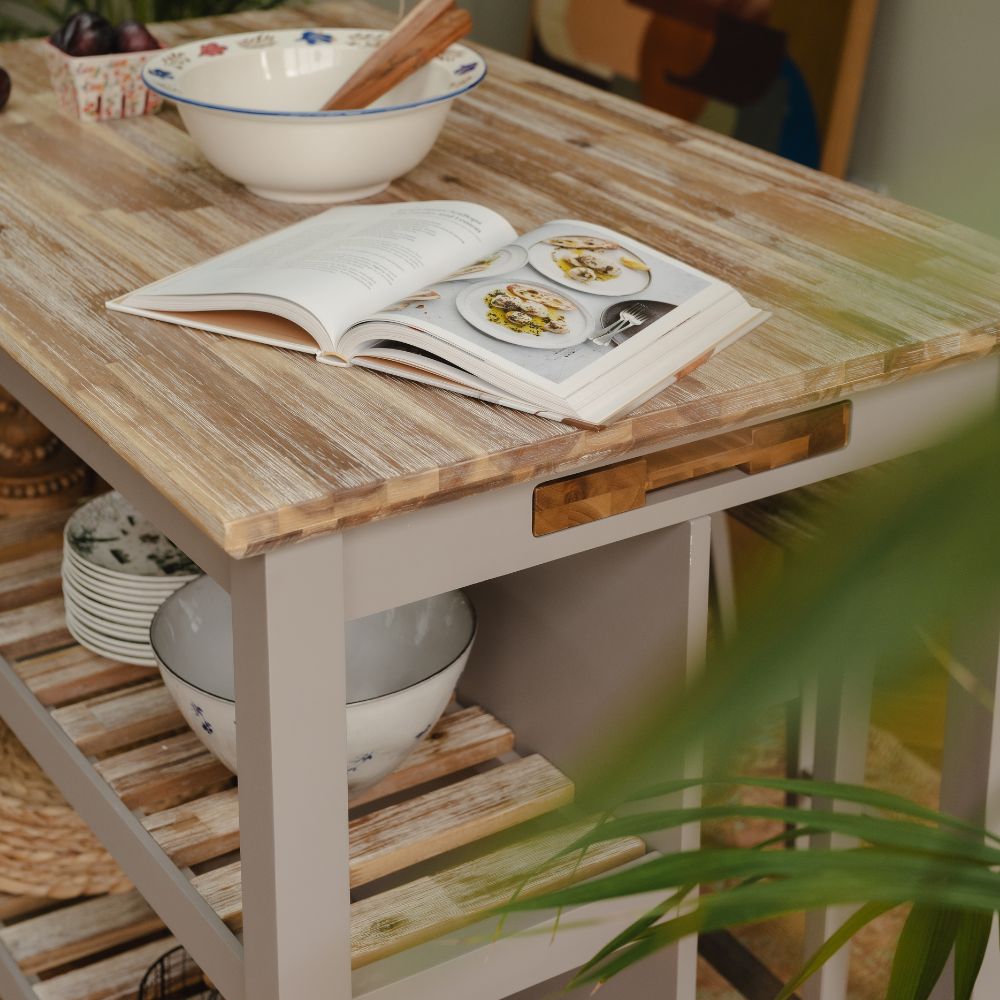
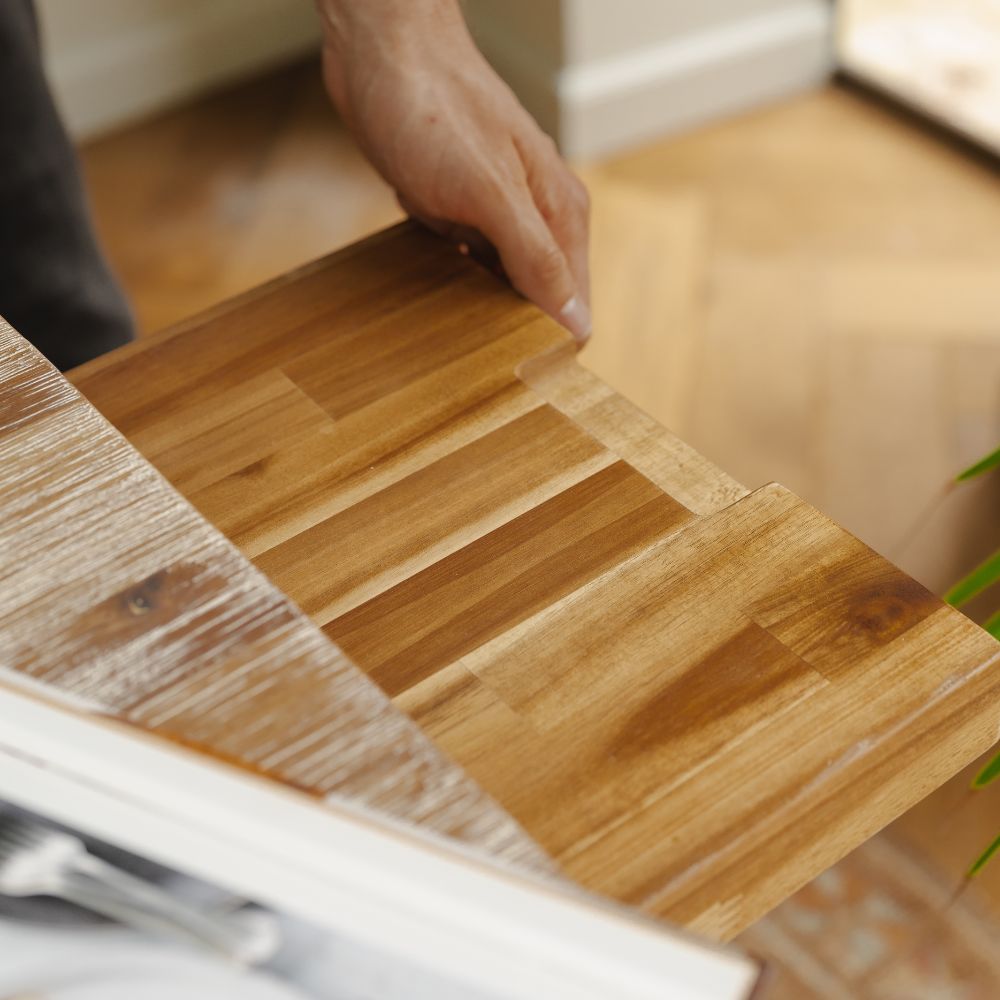
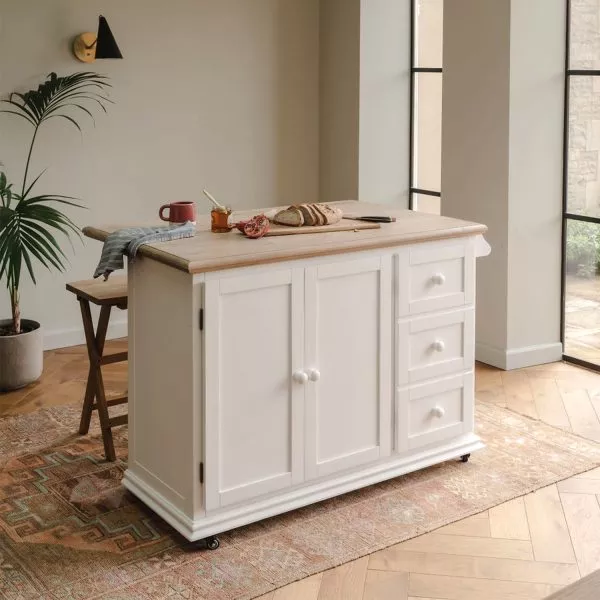
This is your central workspace. Use a butcher block table, an old farmhouse table, or even a wheeled kitchen cart. Add hooks or towel bars for extra functionality and storage.
Open or ladder Shelving
Shelves are perfect for storing plates, spices, and glass jars. Choose rustic wood for a farmhouse feel or metal brackets for industrial style.
Display your kitchen items with a ladder shelf such as our Florence Ladder Shelf, available in Truffle, Dove Grey, Navy Blue, Sage Green and White. Ladder shelves cleverly fit against any wall, allowing you to make a sleek and stylish display without taking up much space.
Standalone Sink Unit
Look for freestanding sink cabinets or repurpose a vintage vanity with a drop-in basin. Make sure plumbing access is planned ahead.
Freestanding Pantry or Armoire
A vintage armoire can become the perfect pantry with adjustable shelves or baskets.
- Optimise Storage with Creativity
Freestanding kitchens don’t always offer as much built-in storage, so creativity is key.
- Use baskets or bins for dry goods.
- Add pegboards for hanging utensils.
- Install magnetic strips for knives.
- Try under-table storage for pots and pans.
- Choose the Right Appliances
Appliances can still fit seamlessly in a freestanding kitchen if you plan well.
- Freestanding stoves or ranges: Available in retro or modern styles from many leading brands.
- Countertop ovens: A good solution for compact spaces.
- Under-counter refrigerators: Blend well with lower shelving or units.
- Dishwashers: Portable or freestanding models are available.
Make sure your design allows for proper ventilation and electrical access.
- Style and Decor
Now comes the fun part—styling your freestanding kitchen!
Mix & Match Styles
Freestanding kitchens thrive on a blend of styles. Mix farmhouse charm with industrial accents, or Scandinavian simplicity with rustic textures. Take a look at our Florence, Shire and Queensbury ranges for inspiration.
Colour Choices
Paint your freestanding furniture in complementary or contrasting tones. Sage green, navy, and warm neutrals are trending in 2025. Our Florence range is available in all of these colours, with bolder shades such as bottle green available from our Queensbury dressers and sideboards.
Lighting
Install statement pendant lights or vintage wall sconces. Good lighting is essential for functionality and atmosphere.
- DIY or Professional Help?
One of the best parts of a freestanding kitchen is its DIY-friendliness. You can:
- Upcycle vintage furniture into storage units
- Add castors to tables for movable islands
- Customise open shelving to fit your space
But if plumbing or gas installation is needed, it’s best to hire a professional
Final Thoughts
Creating a freestanding kitchen is more than just a design choice; it’s a lifestyle. It offers flexibility, affordability, and the opportunity to express your personality through your home. Whether you’re designing a small urban kitchen or a large countryside space, going freestanding gives you creative freedom you simply can’t get with traditional fitted units.
With a bit of planning, some smart furniture choices, and a touch of DIY spirit, you can build a kitchen that’s not only functional but filled with charm.
Build your Freestanding Kitchen with Furniture.co.uk





Share this:


