


Wood furniture never goes out of style. Its warmth, character, and longevity make it a staple in both traditional and modern homes. But as with all natural materials, wood requires thoughtful care to preserve its beauty over time. One timeless method for enhancing and protecting wood is lime waxing, a technique that’s as aesthetic as it is practical.
In this guide, we’ll explore what lime wax is, why it’s great for wood furniture, and how to apply and maintain it properly.
What Is Lime Wax?
Lime wax, often referred to as “liming wax,” is a soft wax used to finish wood. It’s traditionally made from a mixture of wax (like beeswax or carnauba) and white pigments, typically calcium carbonate or titanium dioxide. Originally used in Europe for centuries, especially on oak, lime waxing brings out the natural grain of wood while giving it a soft, whitewashed look.
Unlike paint or stain, lime wax doesn’t hide the wood’s features; it enhances them. When applied, it settles into the grain, accentuating its natural patterns with a subtle white or pale finish.

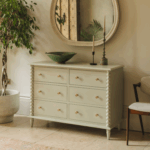
Shire Lightly Lime Waxed Oak
Benefits of Lime Waxing Wood Furniture
Here are a few reasons why lime wax is a popular choice for treating wood furniture:
1. Enhances Grain Detail
Lime wax brings out the natural texture of wood, especially open-grained woods like oak, ash, and elm. The wax settles into the grain, creating a contrast between the base colour and the pale wax.
2. Soft, Matte Finish
If you prefer a more natural or antique look rather than a glossy finish, lime wax provides a beautiful satin or matte sheen that highlights the wood without overpowering it.
3. Protection
While lime wax isn’t as robust as a polyurethane coating, it offers moderate protection from moisture, stains, and wear—especially when reapplied periodically.
4. Eco-Friendly
Lime wax is typically made from natural ingredients and doesn’t release harmful VOCs (volatile organic compounds), making it a safer option for indoor use.
What Types of Wood Work Best with Lime Wax?
Lime waxing works best on open-grain hardwoods. The white pigment fills the grain and gives that signature “limed” effect. Ideal woods include acacia, oak and elm.
Woods with tight grain, like maple or birch, won’t show the white accents as well, but can still benefit from the wax’s protective qualities.

Pre and Post Lime Wax
How to Apply Lime Wax to Wood Furniture
Applying lime wax is straightforward, but like all finishes, it requires a bit of patience and care. Here’s a step-by-step guide:
Materials You’ll Need:
• Lime wax (commercial brands like Briwax or Liberon are good options)
• Wire brush or coarse abrasive pad (for opening the grain if needed)
• Clean, lint-free cloths
• Fine steel wool (0000 grade)
• Soft brush (optional)
• Clear wax (for sealing)
• Gloves
Step 1: Prepare the Surface
Start by cleaning your piece of furniture. If it has an existing finish (like varnish or polyurethane), you’ll need to strip or sand it down to bare wood. The lime wax won’t adhere properly to sealed surfaces.
Once bare, open up the grain if it’s not already pronounced. You can do this by rubbing the surface with a wire brush, going with the grain. This step is especially important if you want the full limed effect.
Step 2: Apply the Lime Wax
Using a soft cloth or steel wool, scoop a small amount of lime wax and rub it into the wood, working in circular motions to ensure it penetrates the grain. Focus on rubbing it in rather than layering it on top.
Let the wax sit for 5 to 10 minutes to absorb.
Step 3: Remove Excess Wax
With a clean cloth, wipe away the excess wax. Work with the grain and keep checking for build-up in corners or carvings. The goal is to leave the pigment in the grain while cleaning the rest of the surface.
Step 4: Buff the Surface
After about 30–60 minutes, buff the surface with a clean cloth or fine steel wool to achieve a smooth, satin finish.
Step 5: Optional – Seal with Clear Wax
To increase protection, you can apply a coat of clear wax over the lime wax once it’s cured (usually after 24 hours). This adds a light barrier against moisture and wear.

Florence Lime Waxed Acacia Breakfast Bar Top
Maintaining Lime-Waxed Furniture
Lime-waxed wood is relatively low-maintenance, but it does need occasional care to keep it looking fresh.
Dust Regularly
Use a dry, soft cloth to dust the furniture regularly. Avoid chemical sprays which might strip the wax.
Reapply Wax Periodically
Over time, areas of heavy use (like tabletops or chairs) may begin to dull. A quick reapplication of lime wax or clear wax will restore the finish. You typically only need to re-wax every 6 to 12 months, depending on usage.
Avoid Water and Heat
Although the wax provides some protection, it’s not waterproof. Use coasters, placemats, and avoid placing hot dishes or mugs directly on the surface.
Touch-Ups
If you notice scratches or worn spots, lightly sand the area and reapply lime wax. It blends well, so spot-treatments usually aren’t noticeable.

Lime Wax vs. Other Finishes
If you want a gentle, aged look while still seeing and feeling the texture of the wood, lime wax is an excellent alternative to high-gloss finishes or thick sealants.
Caring for wood furniture with lime wax is both an art and a practical way to preserve its beauty. It emphasises grain patterns, provides a charming patina, and offers a degree of protection—making it ideal for heirlooms, vintage pieces, or any furniture where character counts.
Whether you’re restoring an old oak dresser or adding charm to a new pine table, lime wax can help create a timeless look that grows better with age. With a bit of effort and care, your lime-waxed furniture will remain beautiful and functional for years to come.
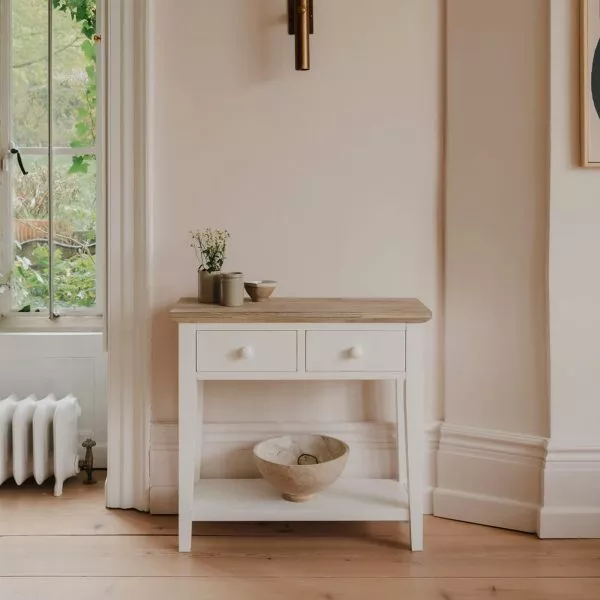
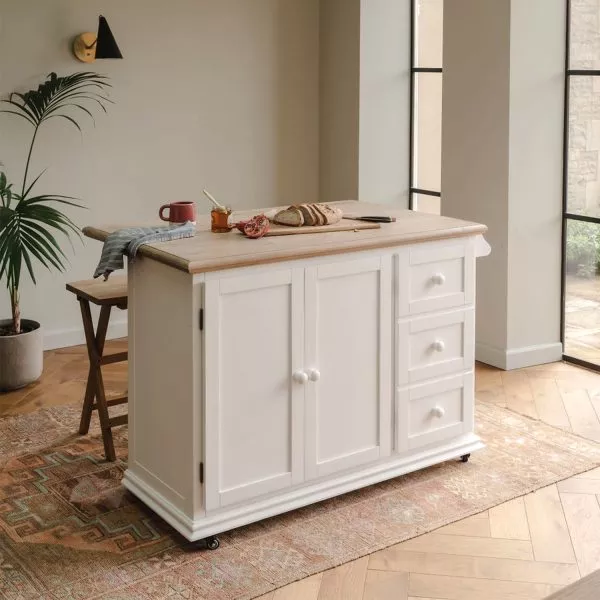
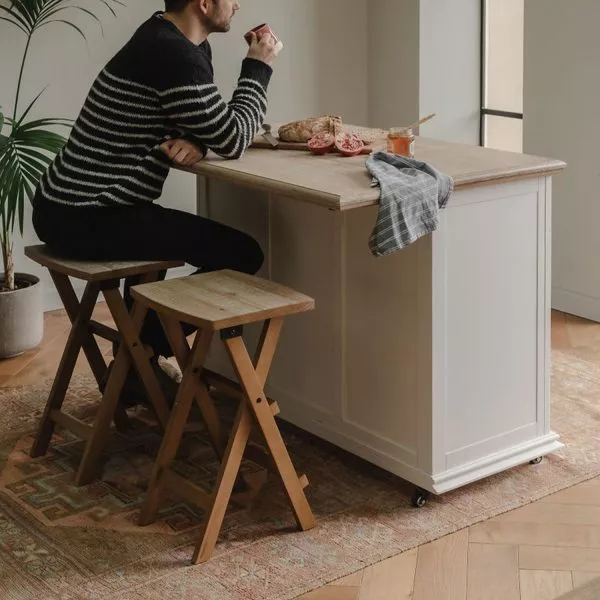
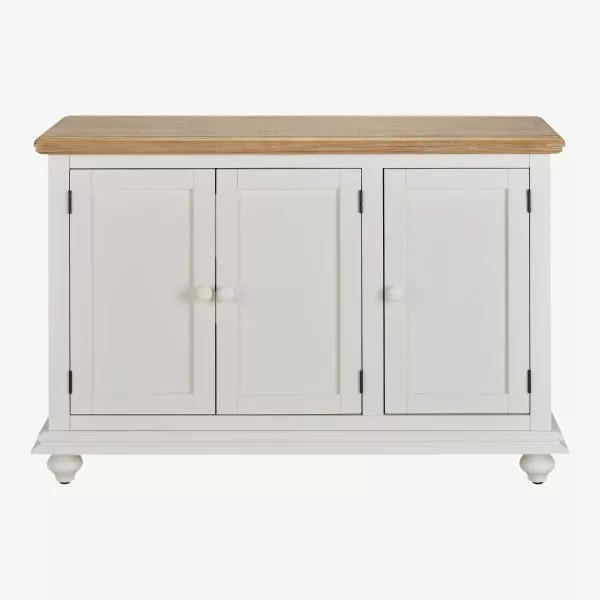
Both our Florence and Shire collections are finished using lime wax, creating a brushed light wood finish. From bookshelves and breakfast bars to dining tables and dressers, these pieces are designed to work in any room of the house, whatever your design scheme or décor.
Related products





Share this:


